
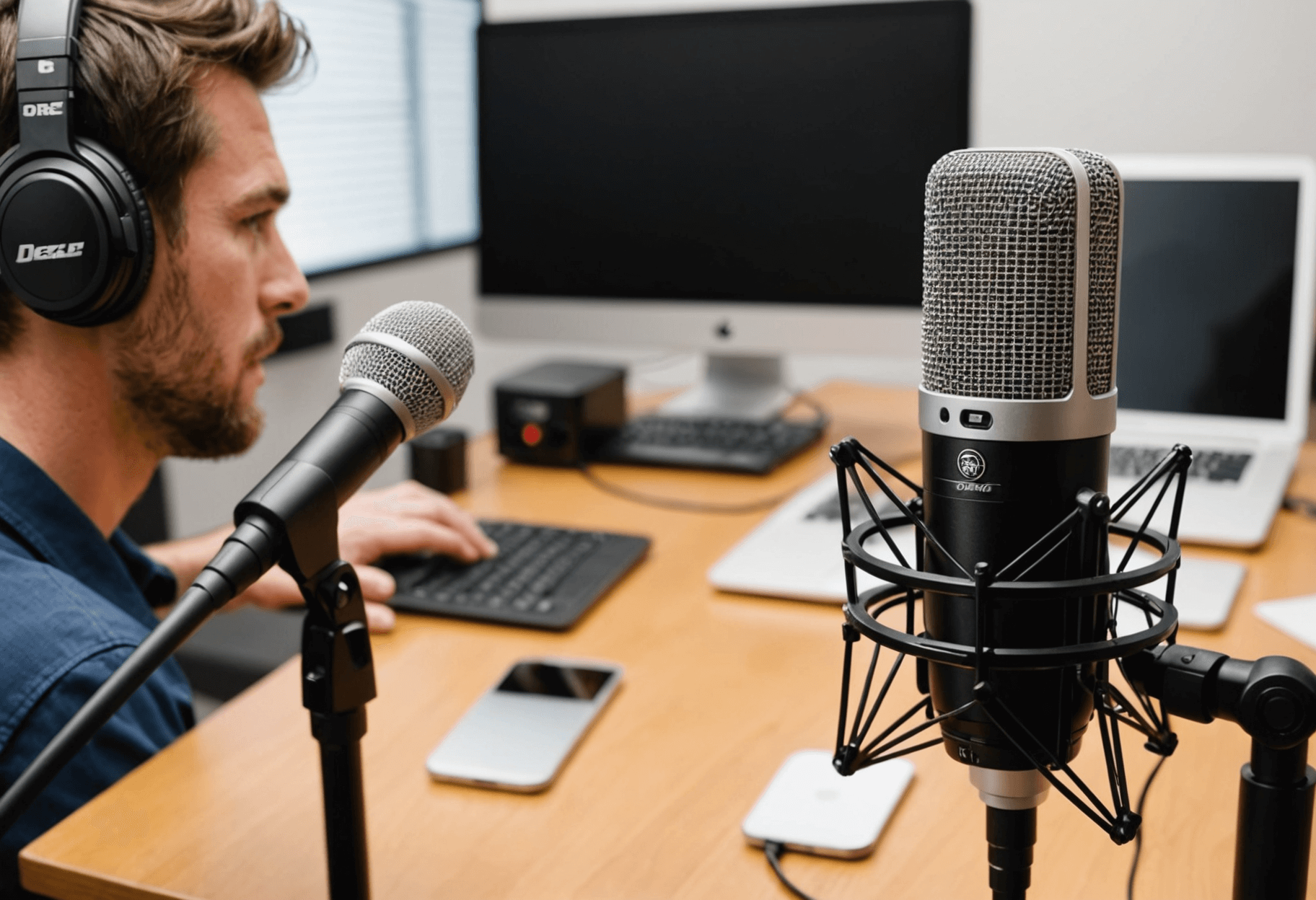
Picking the right microphone changes the game for podcast or voice recordings. Starting a fresh show, upgrading gear, or chasing crisp, pro-quality sound? Knowing which mics fit podcasting best matters a lot. Loads of choices exist, each with unique perks and downsides, so thinking about your setup and what you really need is key. Dive in and find the perfect mic that brings your voice alive and keeps listeners hooked.
In this guide, we’ll explore the best microphones for podcasting and voice recording, highlighting key factors like sound quality, ease of use, connectivity options, and budget considerations. Making informed decisions on your microphone selection can dramatically improve your recordings, helping your voice stand out and sound more engaging. Read on to find the perfect microphone that matches your style and recording setting.
Understanding the Types of Microphones for Podcasting
Dynamic Microphones
Dynamic microphones are known for their durability and ability to handle high sound pressure levels. They are excellent for environments with background noise because they tend to pick up less ambient sound. This makes them a popular choice among podcasters who record in non-studio settings or need a microphone that can withstand frequent use.
Condenser Microphones
Condenser microphones capture sound with greater sensitivity and detail, making them ideal for voice recordings that require richness and clarity. While they can pick up more background noise, they excel in controlled acoustic environments. If you’re recording in a quiet room and aiming for studio-quality sound, a condenser microphone is often the best choice.
Popular Microphone Models for Podcasting and Voice Recording
USB Microphones for Ease of Use
- Blue Yeti: Known for its versatility and ease of use, the Blue Yeti offers multiple pickup patterns, making it suitable for different recording scenarios. It’s a favorite among beginners and seasoned podcasters alike.
- Audio-Technica ATR2100x-USB: This microphone combines USB and XLR connectivity, providing flexibility for both beginner and advanced setups. Its cardioid pattern reduces background noise effectively.
XLR Microphones for Professional Quality
- Shure SM7B: A legendary microphone loved by broadcasters and podcasters for its warm sound and rejection of unwanted noise. It requires an audio interface, making it better suited for serious setups.
- Electro-Voice RE20: Known for its transparency and flat frequency response, the RE20 is ideal for long-form voice recording and podcasting in studio environments.
Factors to Consider When Choosing the Best Microphone
Sound Quality
High-quality microphones provide clear, natural sound. Consider microphones with a flat frequency response for voice recordings, meaning they don’t overly emphasize certain frequencies and provide a balanced sound profile. Listening to sample recordings can help determine if a microphone captures your voice faithfully.
Connectivity Options
Decide between USB and XLR connections. USB microphones are plug-and-play, making them perfect for beginners or quick setups. XLR microphones require an audio interface but offer greater customization and potential for higher sound quality, making them suitable for professional environments.
Budget and Value
Set a realistic budget and weigh features accordingly. Excellent microphones are available across price ranges, but investing in a quality model can pay off through years of reliable performance. Remember that accessories like pop filters and shock mounts add value and improve sound quality.
Additional Equipment to Improve Recording Quality
Beyond the microphone itself, several accessories can enhance your recordings:
- Pop filters: Reduce plosive sounds and protect your microphone from saliva.
- Microphone stands or arms: Provide stable positioning for consistent audio capture.
- Acoustic treatments: Foam panels and diffusers minimize echo and background noise, especially if recording in a room with reflective surfaces.
Investing in these extras ensures your recordings sound professional and are free from distracting noise or disturbances.
tested techniques for maximizing microphone performance
Proper Positioning
Position your microphone about 6 to 12 inches from your mouth, slightly off-center to avoid capturing breathing noises directly. Using a shock mount can reduce handling noise if you need to move the microphone.
Room Environment Best Practices
Choose a quiet space with soft furnishings to absorb excess sound. Avoid recording in rooms with hard surfaces that reflect sound and cause echo. Using a dedicated small studio or a corner of a room with blankets or duvets can dramatically improve sound quality.
Conclusion
Finding the best microphone for podcasting and voice recording depends on your environment, budget, and specific needs. Whether you’re just starting out or seeking a professional setup, understanding the differences between microphone types and their applications can help you make the right choice. Remember to complement your mic with proper accessories and environment considerations for the best results.
Investing in a quality microphone isn’t just about capturing your voice accurately — it’s about creating a connection with your audience. Clear, crisp audio enhances your message and keeps listeners engaged. Take the time to research, try out options if possible, and choose a microphone that aligns with your goals. For those exploring vinyl records as well as voice recordings, Forever records offers a fantastic selection of vintage microphones and related equipment that can add a unique touch to your setup.