
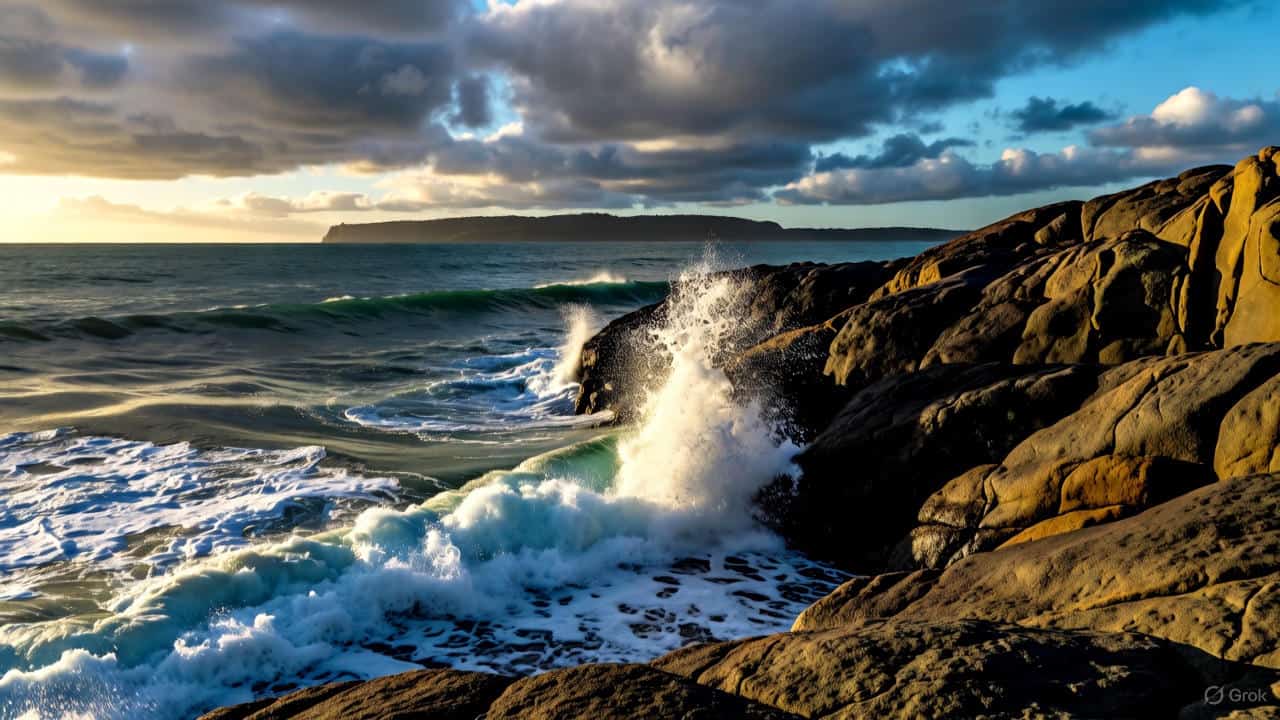
Tasmania has jaw-dropping wild beauty and amazing bays, but most visitors stick to the usual spots. Imagine wandering off the beaten path to find hidden coastal treasures where quiet coves, buzzing wildlife, and charming towns full of real local flavor wait to be explored. Tried and tested tips show how to get to these peaceful places without the hassle of planning, so more time goes to soaking in the views and less to stressing about directions. If a getaway packed with nature’s best-kept secrets sounds like a dream, keep reading to unlock the magic waiting just beyond the tourist maps.
Along the way you will read examples from local routes and seasonal notes that matter to trip timing. Whether you are a first time traveler or someone returning for a second trip the suggestions that follow will help you map out an itinerary that balances scenic highlights with calm moments by the sea.
Coastal Villages to Visit for Authentic Island Life
Small coastal villages are where you feel the pulse of Tasmania’s island living. Towns like St Helens and Swansea offer harbors, fishermen at work, and nearby natural attractions without the crowds found at major national parks. Spend an afternoon strolling wharves and stop at a local café that serves seafood caught the same morning.
Look for community bulletin boards and local markets for workshops, oyster tastings, and artisan stalls. These villages often host seasonal events that do not make national itineraries yet provide memorable cultural moments. Aim to speak with a shop owner or a boat operator to learn about lesser known bays only locals frequent.
Quiet Beaches Off the Beaten Path
Tasmania has miles of coast where you can find a quiet stretch of sand. Some beaches require a short walk from a car park which filters out many day visitors. Bennets Beach and sections of the Freycinet coastline have quieter spots when you explore side trails or arrive early in the morning.
Access tips help you plan visits to these beaches. Check local maps and park signage for permitted parking areas and for any protected nesting zones. If a beach has restricted access during certain months for wildlife protection observe these rules to avoid disturbing breeding animals.
How to get to secluded beaches
Public parking is common at trailheads and small turnouts. If a route is labeled as a walking track expect uneven surfaces and bring sturdy shoes. Some tracks are suitable for families while others may require a moderate level of fitness. A compact map or downloaded offline map helps when mobile coverage is patchy.
Beach safety and etiquette
Rough surf can arrive unexpectedly so check local warnings and respect signage. Pack out what you carry in and avoid collecting shells that might be nesting sites for marine life. Keeping a low profile preserves the serene feeling of these places and allows wildlife to continue their routines undisturbed.
Coastal Wildlife and Marine Encounters
Coastal waters support a variety of species observable from shore and by boat. Look for seals sunning on rocky outcrops, dolphins riding the bow wave of fishing passages, and shorebirds following tidal pools. Seasonal whale migration creates viewing opportunities from high vantage points along headlands.
When watching animals maintain a respectful distance. Use binoculars or a zoom lens for close views without approaching animals. Local tour operators offer guided wildlife trips that follow regulations to reduce stress on animals and that often provide reliable sightings for photographers and families.
Scenic Coastal Walks with Practical Tips
Walking trails along the coast reveal hidden coves and panoramic lookouts. Popular routes include segments of the Three Capes Track and shorter coastal walks around Cape Hauy. These paths range from easy strolls to longer day hikes that reward patience with uninterrupted ocean views.
Packing for coastal walks
Bring layers for changing conditions and waterproof clothing for sudden squalls. A sun hat and sunscreen are important because wind does not always feel like sun exposure. Carry water and snacks, and use a small daypack to keep hands free for balance on rocky sections.
Time of day and photographic light
Morning and late afternoon often provide the most flattering light for photos and softer wind conditions. If you want photos with saturated colors visit during the golden hours soon after sunrise or before sunset. Cloud cover can produce dramatic scenes but reduces contrast so adjust settings if you are using a camera with manual controls.
Best Seasons and Weather Considerations
Tasmania’s coastal climate changes with the seasons and within short distances. Summer months offer warmer water and longer daylight hours while shoulder months present fewer visitors and brisk days that showcase stormy sea moods. Winter brings powerful ocean conditions and is less suited to swimming yet great for dramatic photography.
Weather can shift quickly so check forecasts the day before any long shoreline plan. Wind direction affects surf quality and the comfort of exposed headlands. If you have limited time select a few options within a short driving radius to avoid full day trips that may be cut short by weather changes.
Food, Accommodation and Local Services Along the Coast
Small towns along the coast provide distinctive choices for food and stays. Cottage rentals, family run guesthouses, and boutique lodges give different feels. If you want to support local producers choose establishments that source local seafood and produce. A mid afternoon stop at a bakery can be a great way to taste local flavors and plan the next stretch of road.
For extended trips book lodgings in advance during holiday periods and check for local fuel stations on long stretches of road. Many smaller centers have limited opening hours for shops so carry essentials and a first aid kit for remote stretches. Local visitor centers are a good resource for up to date trail conditions and event listings.
Practical Planning Tips and Local Courtesy
Plan realistic driving times when moving along the coast because narrow roads and scenic stops increase travel time. Allow extra time for short detours that reveal lookouts and photo spots. Keep a physical map or an offline map downloaded because mobile signal can be patchy or absent in remote bays.
Respect private property and livestock at the edge of many coastal fields. Always close farm gates and follow signage. If you plan to camp use designated sites and check the rules for fires and waste disposal. Making contact with a local business for a meal or a tour is a good way to support small communities and often results in personal recommendations for more hidden locations.
- Pack smart Choose layers, waterproof items, and comfortable footwear.
- Plan fuel stops Note distances between towns and refueling points.
- Check tide times Some coastal access points are affected by tides and can change the safety of a route.
- Respect wildlife Observe from a distance and avoid interference with breeding sites.
For a personal travel perspective and a readable account of island routes see this travelogue by JustAverageJen which describes small scale coastal experiences and practical timing suggestions from a visitor who spent time exploring quiet bays.
Sample Two Day Coastal Itinerary
Start day one with an early walk to a nearby lookout then spend mid morning exploring a small village market. After lunch drive to a quieter beach for an afternoon of walking and wildlife watching. Finish the day with dinner at a local eatery and a shoreline sunset walk.
Day two begins with a short coastal hike that offers sweeping views and photographic vantage points. Spend the afternoon visiting a fisheries center or an aquarium for local marine context and return by dusk to a coastal village for an evening meal. This rhythm balances activity with relaxation and makes it easier to adapt when weather shifts.
Exploring Tasmania’s coastal offerings rewards slow travel and attention to small details. Use flexibility in daily plans so you can linger at a favorite spot or change course when a local tip points to an unexpected cove. With a bit of preparation and respect for the land and wildlife your coastal trip will create lasting memories.
Conclusion
The coastline of Tasmania combines dramatic views with quiet moments that suit travelers who want more than crowded photo stops. By visiting small villages, choosing lesser used beaches, pacing coastal walks and being mindful of seasons you can experience the island in a meaningful way. Practical steps such as packing layers, checking tide times, and supporting local businesses make trips smoother and more enjoyable. Keep safety front of mind for water and walking routes and use binoculars to appreciate wildlife from a distance. If you value calm coves and rich coastal character consider planning a visit that includes both popular highlights and hidden nooks. Start with a short itinerary and add new stretches as you find reliable local tips. Take action by selecting one coastal region, checking current conditions, and booking a local stay. This approach gives you time to savor coastal views and to return with a deeper sense of why Tasmania’s shores stand apart.